Can fish oil repair the brain?
People with depression or a mild decline in brain function should consider taking omega-3s from fish oil, as they may see improvements in their symptoms and brain function. Unfortunately, research has shown that fish oil has no effects in people with normal brain function or those with Alzheimer's disease.
What does fish oil do to the brain?
Adequate levels of omega-3s also support proper blood flow in the brain. Brain imaging studies show that higher blood flow in certain parts of the brain are associated with better performance for various cognitive tasks. Proper blood flow also supports memory and decreases the risk of developing dementia.
Which fish oil is best for brain function?
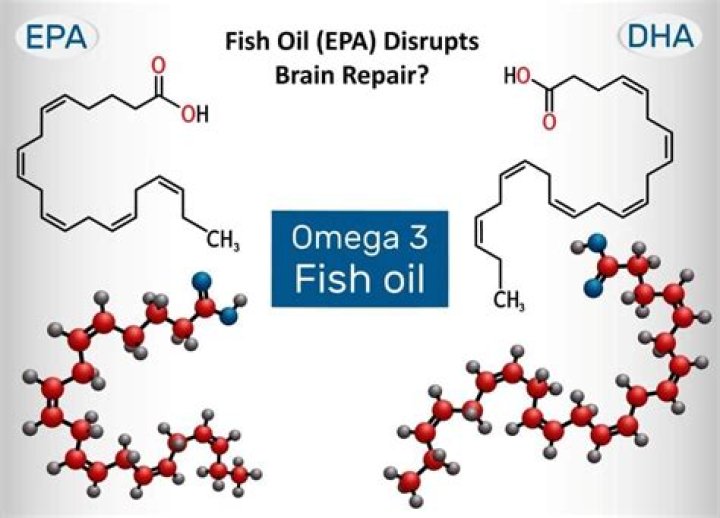
Fish oil capsules tout their ratios of DHA and EPA. But DHA and EPA offer different benefits and the ratio between these two matters when it comes to brain health. In a nutshell, a higher ratio of DHA to EPA is best for your brain.
How long does it take for omega-3 to work for brain?
It can take up to one month for optimal levels of EPA and DHA to be reached in your blood, but in the brain and heart it can take up to 3 months, until the fatty acids saturate more in those areas.
Family credits fish oil in helping teen's injured brain
How can I improve my brain function?
The good news is that there are several things you can do to keep your brain functioning its best as you grow wiser.
- Try a new activity. ...
- Feed your brain with healthy nutritious food that stimulates brain function. ...
- Keep moving. ...
- Sleep well. ...
- Get social. ...
- Manage your blood pressure. ...
- Manage your blood sugar. ...
- Limit alcohol.
How soon does fish oil start working?
Levels of omega-3's build up quickly in the body once you take supplements. But it may take 6 weeks to 6 months to see a significant change in mood, pain, or other symptoms.
Should I take fish oil everyday?
When taken by mouth: Fish oil is likely safe for most people in doses of 3 grams or less daily. Taking more than 3 grams daily might increase the chance of bleeding. Fish oil side effects include heartburn, loose stools, and nosebleeds. Taking fish oil supplements with meals or freezing them can reduce these issues.
What happens when you take omega-3 every day?
According to the NIH, the FDA have suggested that people should take no more than 3 g per day of DHA and EPA combined. Over long periods, scientists say that omega-3 can reduce immune system function because it lowers the body's inflammatory responses. High doses of omega-3 may also increase bleeding time.
Does fish oil help anxiety?
Researchers found that people who took high doses of omega-3s (up to 2,000 mg a day) seemed to have the most reduction in anxiety symptoms. Omega-3 fatty acids, which are usually derived from fish oil, have a number of biological effects in the body.
What vitamins are good for brain health?
B vitamins like B6, B12, and B9 (folic acid) all play a role in brain health.
What is good for brain health?
Leafy greens such as kale, spinach, collards, and broccoli are rich in brain-healthy nutrients like vitamin K, lutein, folate, and beta carotene. Research suggests these plant-based foods may help slow cognitive decline.
Is omega 6 good for the brain?
High dietary omega-6 fatty acids contribute to reduced docosahexaenoic acid in the developing brain and inhibit secondary neurite growth. Brain Res.
Does omega-3 reduce brain inflammation?
To measurably increase levels of EPA in the brain, a person would have to consume a small glass of it each day, quite possibly with the side effect of smelling like fish. The omega 3 fatty acids DHA and EPA are known to have anti-inflammatory effects and protect against various neurological and metabolic diseases.
Does fish oil detox the body?
The DHA essential fatty acids found in fish oil are anti-inflammatory and can help the body's NRF2 response, which aids in the detoxification process.
Who should not take fish oil?
New research finds that taking omega-3 supplements is associated with an increased risk of atrial fibrillation in people with a high risk of, or existing, heart disease.
Is it better to take fish oil in the morning or at night?
Because most of the benefits of fish oil are associated with long-term use, you can take it at any time of day. That said, splitting your supplement into two smaller doses in the morning and at night can reduce acid reflux.
Does fish oil help with memory?
Does Fish Oil Help With Memory? Yes, because the omega-3 fatty acids found in fish support good brain health, these nutrients also support the functions of the brain — which, of course, includes thinking and memory.
Is fish oil really worth it?
Evidence. Research on the use of fish oil for specific conditions shows: Heart disease. While research shows that people who eat dietary sources of fish oil at least twice a week have a lower risk of dying of heart disease, taking fish oil supplements seems to have little to no benefits to heart health.
Is 1000mg fish oil too much?
Generally, up to 3,000 mg of fish oil daily is considered safe for adults to consume ( 14 ).
Can I take multivitamin and fish oil together?
In most cases, it's fine to take a multivitamin and fish oil together. Be aware, however, that some types of fish oil are high in vitamins A and D which, combined with your multivitamin, could increase your risk of overdoing it on those nutrients.
What is the benefits of fish oil?
Fish oil has been shown to help increase "good" HDL cholesterol, lower triglycerides (or blood fats), reduce blood pressure, prevent plaques from forming in arteries, and stave off hardening of the arteries. For all these reasons, experts believe fish oil may support the health of your heart.
How long should I take omega-3 fish oil?
Some studies have found that taking moderate doses of fish oil could enhance sleep quality. One study of 395 children, for instance, showed that taking 600 mg of omega-3 fatty acids daily for 16 weeks helped improve sleep quality ( 22 ).
How do you heal brain damage naturally?
HOW TO HELP YOUR BRAIN HEAL AFTER AN INJURY
- Get plenty of sleep at night, and rest during the day.
- Increase your activity slowly.
- Write down the things that may be harder than usual for you to remember.
- Avoid alcohol, drugs, and caffeine.
- Eat brain-healthy foods.
- Stay hydrated by drinking plenty of water.
How do you regenerate brain cells naturally?
In addition to building fitness, regular endurance exercises like running, swimming, or biking can preserve existing brain cells. They can also encourage new brain cell growth. Not only is exercise good for your body, it can also help improve memory, increase focus, and sharpen your mind.